






My friend Sarah called me last week. She sounded stressed. Her son needed a laptop for school. Money was tight. She found a used PC online for a great price. It came with Windows 10 Home. But then she read the news. Windows 10 support ended. She panicked. She asked me, “Is this a trap?”
I understood her fear. Millions of people face this exact choice today. The stores still sell old stock. The second-hand market is full of cheap machines. But the safety net is gone. Or is it?
Here is the truth. The Windows 10 Home buying decision is not simple anymore. It requires a clear head. You must weigh the low price against the security risks. You must understand the Extended Security Updates program. You must know your hardware limits.
This guide is for people like Sarah. It is for budget buyers. It is for students. It is for anyone who wants a simple answer. I will walk you through every detail. I will show you when a Windows 10 Home buying spree makes sense. I will also show you when you should run away. Let us start with the hard facts.
Transition words used: But, Here, Or, This, I, Let us.
The Support Shock: What Really Happened in October 2025
Microsoft closed the main gate on October 14, 2025. On that day, free updates for Windows 10 stopped . This means no new features. It also means no free security patches. For many people, this sounds like a death sentence. A computer without security updates is a target. Hackers look for old holes. They break in. They steal data.
However, the story has a twist. Microsoft did not abandon everyone. They created a program called ESU. This stands for Extended Security Updates. It gives you more time. You can still get important safety patches. You just have to enroll .
Here is the catch. The rules keep changing. At first, the free extension was for one year. Then Microsoft quietly added another year. Now, home users can get updates until October 2027 . This is a huge relief. It changes the math for a Windows 10 Home buying decision. You are not buying a dead system. You are buying a system with a safety net. But this net has holes. The updates only fix security. They do not add new features. They do not fix old bugs. They just keep the bad guys out.
Transition words used: However, Here, Then, Now, This, But, They.
The Price Trap: Why Cheap Is Not Always Free
Let us talk money. This is why people consider a Windows 10 Home buying strategy. The price is low. You can find keys for a few dollars online . You can buy a used PC for half the cost of a new one. For a student or a family on a budget, this looks like a win.
But look closer. That cheap key might be stolen. It might be locked to one broken motherboard. It might stop working after a month. The low price hides a real risk. You might pay twice.
Moreover, Microsoft stopped selling Windows 10 Home directly. You cannot buy it from the official store anymore . This means you buy from the gray market. You buy from third-party sellers. Some are honest. Many are not.
Here is the key point. A legitimate Windows 10 Home buying deal must include a real license. If the price feels too good to be true, it probably is. A $5 key is not a bargain. It is a gamble. You are betting that it will not get blocked. You are betting that the seller is real. Why take that bet when your data is on the line?
Transition words: This, But, Moreover, Here, If, It, You, Why.
The Hardware Freedom: Why Old PCs Still Matter
Not everyone can buy a new computer. This is the strongest argument for a Windows 10 Home buying choice. Windows 11 has strict rules. It needs a special security chip called TPM 2.0. It needs a newer processor. Millions of perfectly good PCs fail this test .
These machines are not junk. A PC with 8GB of RAM and a solid-state drive still works fast. It browses the web. It writes documents. It plays light games. It does homework. For a student or a home user, this is enough. Why throw away a working tool?
Windows 10 gives these older PCs life. It runs on almost anything. It does not need the new chip. It does not check your processor age. A Windows 10 Home buying plan lets you keep using hardware you already own. You save money on a new PC. You reduce electronic waste. You get the job done.
However, you must accept the limits. You will not get new features. You will not get the latest security design. You are using a legacy system. But for basic tasks, legacy works. It is stable. It is familiar. It is cheap.
Transition words: This, It, These, Why, However, But, You.
Security Reality: The Risk You Cannot Ignore
I must be honest with you. A Windows 10 Home buying choice carries risk. The free updates are only security patches. They are not a full shield. Microsoft will stop these patches one day. That day might be in 2027. It might be sooner. When that day comes, your PC is on its own .
You must ask yourself: what is on this computer? Is it a bank account? Is it private family photos? Is it a business? If the answer is yes, then saving $50 is not worth the risk. A hacked computer can cost you thousands. It can steal your identity. It can lock your files with ransomware.
But if the computer is for a child? If it is for watching videos? If it is an offline machine for writing? Then the risk is lower. You can add free antivirus. You can use a firewall. You can be careful. A Windows 10 Home buying decision for a low-risk user is defensible.
The key is to match the tool to the job. Do not use a risky tool for a critical job. Do not put your life savings on a PC that no longer gets full support.
Transition words: I, But, If, Then, The, Do not.
The ESU Enroll Process: How to Get the Extra Time
You want the extra security. You need to enroll in ESU. This is the official program for Windows 10 Home buying customers. It is not automatic. You must take action .
First, you need a Microsoft account. Second, you need to sign in. Third, you need to open the ESU enrollment tool. The tool is in the Settings app. Look for the Windows Update section. You will see a message about the end of support. Follow the steps.
The process is free for home users. It used to cost $30. Then Microsoft made it free for a year. Now it is free for two years. You do not need to pay. You just need to sign up .
But watch out. The program only covers security. It does not cover features. It does not fix broken apps. It does not make your PC faster. It only closes security holes. Think of it like a lock on an old door. The door is still old. But the lock works. You can sleep a little better.
Transition words: You, This, It, First, Second, Third, But.
Performance Check: Will It Run Your Apps?
A Windows 10 Home buying choice works for most software. Windows 10 runs almost everything. Office works. Chrome works. Zoom works. Steam works. Even modern games run, as long as your hardware is good enough .
The only problem is the future. New apps might require Windows 11. This is already happening with some AI tools. Microsoft Copilot needs a newer system. Some games use DirectX 12 Ultimate. This feature does not work well on Windows 10 .
But for today? For school? For work? For browsing? Windows 10 Home is fine. It is not missing anything critical. The core experience is the same. The apps are the same. The files are the same.
However, you must check one thing. Does your PC have the right drivers? Old hardware sometimes lacks updates for new Windows 10 versions. Check the manufacturer website. Look for driver downloads. If the drivers are there, you are safe. If they are missing, you might have sound issues. You might have Wi-Fi problems. Do the check before you buy.
Transition words: A, But, For, However, It, This, If.
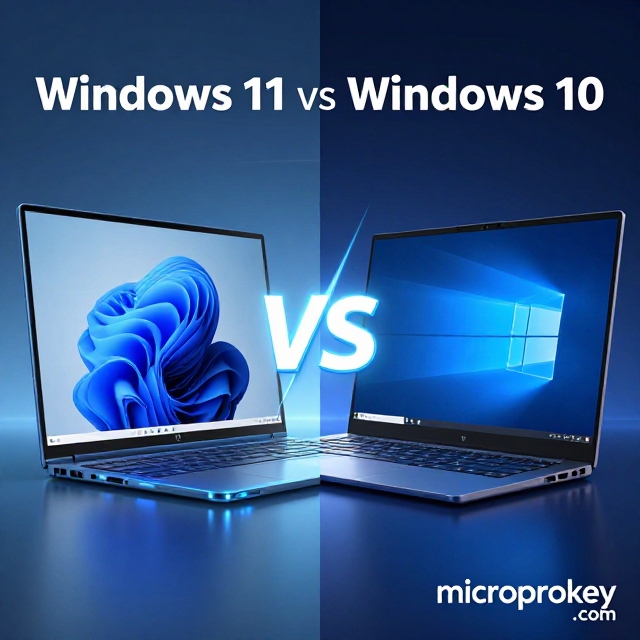
Windows 10 Home vs. Windows 11 Home: The Real Difference
Should you pay more for Windows 11? Let us compare. Windows 11 has a new look. It has rounded corners. It has a centered taskbar. It has better window snapping .
Windows 11 has better security. It uses the TPM chip. It uses virtualization for protection. It has a stricter app store. For a non-technical user, Windows 11 is safer out of the box.
But Windows 11 needs newer hardware. It needs a supported CPU. It needs the security chip. It needs more RAM for the same speed. A Windows 10 Home buying choice avoids these costs. You use what you have.
The performance is a tie. On the same hardware, they run at similar speeds. Sometimes Windows 10 is faster. It has less background overhead. It does not force AI features on you . It does not push cloud services.
So the choice is clear. If you have new hardware, buy Windows 11. If you have old hardware, Windows 10 Home buying is the practical path. Do not pay for a new PC just to get rounded corners.
Transition words: Should, Let us, It, But, The, So, If, Do not.
The Microprokey Solution: A Smart Alternative
You need a key. You want a safe key. You want a real key. This is where Microprokey helps. Microprokey is a trusted seller. They offer genuine licenses. They offer clear support. They do not sell stolen keys.
A Windows 10 Home buying plan from Microprokey is simple. You pick your version. You pay a fair price. You get a working key. You get activation help. You do not get a random string from a shady forum. You get a product with a guarantee.
Why does this matter? Because the gray market is full of traps. A cheap key might work for a week. Then it dies. You lose your money. You lose your time. You have to start over. Microprokey removes this stress. They give you a legitimate path. They let you focus on using your PC, not fixing it.
For budget buyers, this is the safe middle ground. You do not pay full retail. You do not risk a fake key. You get a real license for a fair price. That is a smart Windows 10 Home buying decision.
Transition words: You, This, Why, Because, They, For, That.
Who Should Avoid Windows 10 Home Buying?
Not everyone should buy Windows 10 Home. Some people need to walk away. Who are they?
First, business owners. You cannot risk data breaches. You need full support. You need compliance. You need Windows 11 Pro or a newer system.
Second, gamers with new hardware. You want the best frames. You want the newest features. You want DirectX 12 Ultimate. Windows 11 is your path.
Third, people with sensitive data. If you store tax records, medical files, or client data, do not use an unsupported system. The risk is too high. The cost of a breach is too large.
Fourth, people who hate change. If you cannot handle a security warning pop-up, do not buy Windows 10 Home. The reminders will annoy you. The warnings will scare you. You are better off with a new PC that has full support.
For everyone else, the door is open. For students, for casual users, for second PCs, Windows 10 Home still has a place. Just go in with your eyes open.
Transition words: Not, First, Second, Third, Fourth, If, For, Just.
The Future: What Happens After 2027?
The ESU program ends in 2027. What happens then? No one knows for sure. Microsoft might extend it again. They have done it twice already . They might do it a third time.
But you cannot plan on a maybe. If you buy Windows 10 Home today, plan for 2027. Save money for a new PC. Start a fund. Put away $10 a month. By 2027, you will have enough for a basic Windows 11 machine.
Use these two years to learn. Back up your files. Move to cloud storage. Clean up your old data. Make the transition easy. Do not wait until the last day. Do not panic when the final warning appears.
A smart Windows 10 Home buying choice includes an exit plan. You enjoy the low cost now. You prepare for the upgrade later. This is how you win. You get the best of both worlds. You save money today. You stay safe tomorrow.
Transition words: The, What, But, If, Use, This, You, Do not.
Step-by-Step: How to Buy Safely
You decided to buy. Good. Now do it right. Follow these steps.
Step one: Check your hardware. Open Settings. Go to System. Look at your processor and RAM. Write it down. Make sure it meets the minimum. Windows 10 needs 1GHz speed and 2GB RAM for 64-bit . But for real use, get 8GB.
Step two: Choose a seller. Avoid random auction sites. Avoid keys that cost $2. Look for reviews. Look for support. Microprokey is a safe choice. They offer real keys with help.
Step three: Buy the right version. Windows 10 Home is for you. It has everything a normal user needs. You do not need Pro. Pro is for business networks . Save your money.
Step four: Activate immediately. Do not wait. Enter the key. Connect to the internet. Let Windows check it. If it fails, contact support right away. Do not let time pass.
Step five: Enroll in ESU. After activation, go to Windows Update. Find the ESU link. Sign in with your Microsoft account. Complete the steps. Get your security updates. This is the most important step for a safe Windows 10 Home buying result.
Transition words: You, Now, Follow, One, Two, Three, Four, Five, This.
Common Mistakes to Avoid
People make mistakes. Do not be one of them. Here is what not to do.
Do not buy an OEM key for a new PC. OEM keys stick to one motherboard. If you upgrade, the key dies. Buy a retail key if you plan to change parts .
Do not ignore the ESU deadline. You must enroll. It is not automatic. If you miss it, you get no patches. Mark your calendar.
Do not use the PC for banking without protection. Use a secure browser. Use two-factor authentication. Do not save passwords. Be careful.
Do not throw away your old PC. If it works, keep it. A Windows 10 Home buying plan for a second machine is smart. Use it for offline tasks. Use it for media. Give it to a kid.
Do not pay full price. Windows 10 Home is old. It should be cheap. If a store wants $100, walk away. You can find real keys for much less through trusted sellers.
Transition words: Do not, Here, If, You, But.
FAQ’s
Q: Can I still buy Windows 10 Home in 2026?
A: Yes. Microsoft stopped direct sales. But third-party sellers still have keys. You can also buy used PCs with Windows 10 installed. Just make sure the key is real and the seller is trusted .
Q: Is Windows 10 Home safe without updates?
A: No. Without updates, your PC is vulnerable. But you can enroll in ESU. The ESU program gives you security patches until 2027. This makes Windows 10 Home safe enough for basic use .
Q: Will my old programs work on Windows 10 Home?
A: Yes. Windows 10 runs almost all older software. It even runs some 32-bit apps that Windows 11 cannot run. Check your specific program on the maker’s website to be sure .
Q: Is Windows 10 Home faster than Windows 11?
A: On old hardware, yes. Windows 10 has less overhead. It does not force AI features. It does not need the new security chip. On new hardware, Windows 11 is faster. It depends on your machine .
Q: What happens after ESU ends in 2027?
A: You have options. You can upgrade to Windows 11 if your PC supports it. You can buy a new PC. You can switch to Linux. Or Microsoft might extend ESU again. Plan ahead and save money now .
Final Thoughts
Is Windows 10 Home still worth buying? The answer is yes, but only for the right person.
This is not a choice for everyone. It is not for businesses. It is not for people with sensitive data. It is not for gamers who want the newest features. For them, Windows 11 is the only path.
But for the budget buyer? For the student? For the family that needs a second computer? Windows 10 Home buying is a smart move. The hardware is cheap. The software is familiar. The ESU program gives you a safety net until 2027.
You must go in with a plan. Buy a real key from a trusted source like Microprokey. Enroll in ESU immediately. Back up your files. Start saving for a future upgrade. Do not pretend the risks are zero. But do not let fear stop you from saving money.
The little laptop that Sarah found? She bought it. She used Microprokey for a clean key. She enrolled in ESU. Her son is doing homework on it right now. It cost her less than a new phone. It works. It is safe enough. That is the real answer. Windows 10 Home is not dead. It is just on a timer. Use the time well.