
Blog
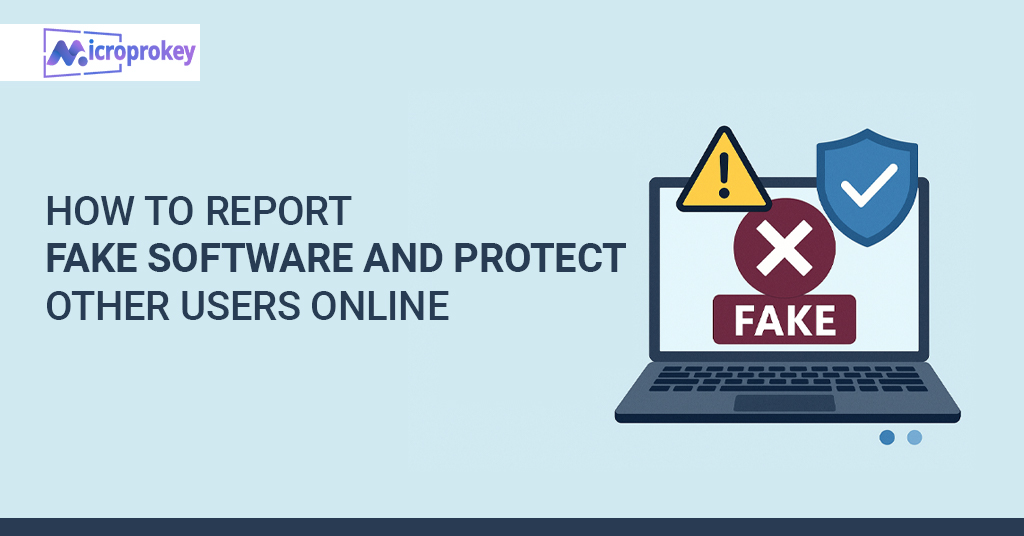
How to Report Fake Software and Protect Other Users Online

Let’s talk about Jason. He was just like you. He bought a new laptop and wanted to set it up fast. He needed some software, mostly Office and antivirus. He searched online for the best deals. He found a site with big discounts. The page looked real. The logos were all there. The reviews seemed honest. Jason clicked, paid, and downloaded. Everything looked fine—at first. Within days, strange things began. His laptop slowed down. Pop-ups appeared. His files started to vanish. Jason was shocked. He realized too late. He had downloaded fake software. It looked real, but it was a trap. Jason had no idea what to do. But you can do better. You can learn from his story. You can learn how to report fake software. This guide shows every step. It uses plain words. It helps protect not only you but also many others. Reporting fake software is simple. You can be part of the solution. Every report helps make the internet safer. Fake software is dangerous. But you have the power to fight back. Jason didn’t know what to do. But you will. Let’s start this journey. Let’s make the web a better place.
What is Fake Software?
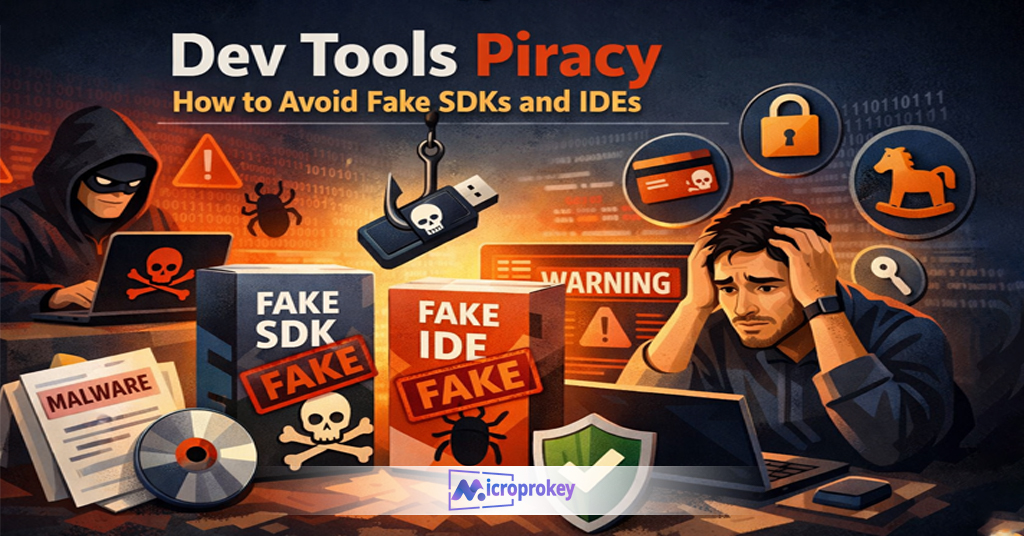
Fake software is not what it seems. It acts like real software. But it is made to trick you. It might be an office app. It might look like an antivirus tool. But it’s fake. It can steal your files. It can track your actions. It can ask you to pay for upgrades that do nothing. Fake software can be very harmful. It can even lock your files and ask for ransom. That’s scary. Scammers use fake software to make money from you. They can also steal your data and sell it. This is why knowing how to report fake software is so important. Fake software is all around us. It comes from untrusted websites. It shows up in shady ads. It hides in email links. It even appears in search results. But you can fight it. You can report it. You can stop it from hurting others. One report can help thousands. Your action matters. Keep reading to find out how you can spot it and report it right away.
Why Fake Software is Dangerous
Fake software is more than just a bad download. It’s a serious threat. It can harm your device and your life. These programs are often full of malware. They can spy on you. They can take control of your device. They may even copy your passwords. Some fake software locks your computer and asks for money. Other types send your private data to hackers. Many times, you won’t know what happened until it’s too late. The damage can be big. You might lose money. Your identity could be stolen. That’s why you must learn how to report fake software. When you report it, you protect yourself. More than that, you protect others. The internet is full of people like you. They want to stay safe. Your report can warn them. It can stop scammers. It can lead to the fake site being shut down. Don’t ignore fake software. Don’t just uninstall it. Take one more step. Report it. Every report counts. Every report saves someone. You can make a big difference.
Signs You Are Using Fake Software
You might not know it right away. But fake software leaves clues. These signs can help. First, where did you get the software? If it wasn’t from a trusted store, be careful. Second, did the install ask for strange permissions? That’s a bad sign. Third, are there too many ads or pop-ups? That’s another clue. Fourth, is the software asking for payment too soon? That’s risky. Fifth, did your device slow down after install? That’s not normal. Sixth, do you see warnings from your antivirus? Take those seriously. Seventh, does the software act weird or crash often? That could mean it’s fake. When you notice these signs, stop using the software. Then take action. Learn how to report fake software. Reporting fake software helps clean up the web. It stops others from being fooled. You can help make things better.
Steps to Confirm If Software Is Fake
Start with the basics. Step one: check where you got it. Was it a trusted website? No? Be alert. Step two: Google the software. Are there warnings or bad reviews? Step three: look at the developer name. Is it known? Step four: scan the file on VirusTotal.com. Step five: run your antivirus. Step six: check the file size. Is it oddly small or too big? Step seven: did the program ask for personal info fast? That’s a red flag. If many of these things seem off, chances are, the software is fake. You must delete it. You must scan your system. And you must report it. You may ask why. Here’s why. Knowing how to report fake software means you’re stopping the spread. You are stopping the scam. You are helping others not get tricked like you. It’s a small act with a huge impact. Don’t skip it. Do it today.
Who to Contact When You Find Fake Software
So you found fake software. Now what? First, report it to the software brand. If it’s fake Adobe, go to Adobe’s site. They have forms for this. Second, tell your antivirus company. They need your input to block the threat. Third, find out where the website is hosted. Use WHOIS tools. Then report the site to the host. Fourth, alert your country’s cybercrime team. In the U.S., use IC3.gov. In the UK, report to Action Fraud. In India, use CERT-In. Fifth, report to online platforms. If it came from an ad, report that too. Every place you report to adds to your power. Learning how to report fake software means knowing where to go. You can even share the threat on forums. Or post about it on social media. Help others spot the danger. Keep your voice loud. Let your report count.
How to Report Fake Software on Major Platforms
Fake software shows up in many places. Apps, emails, ads, and websites. Let’s go step by step. On Google Play: open the app page, click “Flag as inappropriate.” For Apple App Store: go to the app, click “Report a Problem.” On Microsoft Store: search for the report form. On Amazon: find the seller, and report them. For Facebook or Instagram ads: click the three dots, select “Report.” For search results or unsafe websites: use Google Safe Browsing’s report tool. Also, if you found the software from a forum, contact the forum admin. If it came in an email, report it as phishing. All platforms take reports seriously. It might not work instantly, but it matters. The more reports they get, the faster they act. That’s why learning how to report fake software is so useful. One report could trigger action. That action could help hundreds. Be that person.
Reporting Fake Software to Antivirus Companies
Your antivirus provider wants your help. They want to keep you safe. But they also want to protect others. That’s where you come in. Most antivirus websites have a “Report a threat” section. Visit their support page. Look for a form. You might need to upload a file. Or you may copy and paste a suspicious link. Big names like Norton, Avast, Bitdefender, McAfee, and Kaspersky offer this option. When you report, they analyze the file. If it’s dangerous, they block it for all users. This is a big win. Your report could protect millions. So never skip this step. Knowing how to report fake software means using your antivirus as a partner. It’s not just a tool. It’s a team effort. You do your part. They do theirs. Together, you fight back.
How to Protect Yourself from Fake Software
Prevention is better than repair. Here’s how to stay safe. Always use trusted sites. Avoid third-party software stores. Check URLs carefully. Look for HTTPS. Read reviews. Don’t trust pop-ups or flashy ads. Use a strong antivirus. Keep your programs updated. Never click unknown links. Don’t download files from strange emails. Turn on your firewall. Enable browser security tools. If you’re unsure, Google it first. Use tools like VirusTotal before downloading anything. Keep backups of your data. Teach your family about online safety. If something feels off, it probably is. Trust your gut. When you find fake software, don’t ignore it. Report it. That’s the key. Knowing how to report fake software is your final defense. It’s not just about staying safe. It’s about making the internet better for all.
Share the Knowledge with Others
You’ve learned a lot. Now, share it. Tell your friends. Post tips on social media. Write a blog. Make a short video. Use easy words. Teach your parents or kids. Many people don’t know about fake software. They don’t know how to report fake software. You can show them. Create a checklist. Share useful links. Join online safety groups. Answer questions in forums. The more people know, the safer we all are. Each person you teach becomes a new protector. That’s how change happens. Start with one. Then keep going. Together, we can stop fake software in its tracks.
Reporting Fake Software Found in Emails
Emails are full of traps. One click can lead to fake software. Be careful. Don’t open attachments from strangers. Don’t click weird links. Check the sender. Does the email look off? Trust your eyes. If you get fake software through email, report it. Click “Report phishing” in Gmail or Outlook. Tell your antivirus company. Forward the email to the software brand’s fraud team. Warn your contacts. Post a warning if needed. One email can cause huge damage. Your quick action stops the chain. Knowing how to report fake software from email is a must. Many scams begin there. Be alert. Be smart. Be ready.
Tools and Websites to Help You Report
Use smart tools. They save time. They get results. VirusTotal: checks files for viruses. WHOIS: finds out who owns a website. Google Safe Browsing: reports dangerous links. IC3.gov: report fake software in the U.S. ActionFraud.police.uk: UK reporting site. Scamwatch.gov.au: Australia’s watchdog. CERT-In: India’s cyber response team. These tools are free. They are simple to use. Add them to your bookmarks. Share them with friends. Use them when needed. When you know how to report fake software, these tools help you do it fast. Keep them close. They are your online safety kit.
Microprokey: Safe Software, Trusted Deals
Let’s be honest. We all want deals. But don’t risk safety. Use trusted sites like Microprokey. They offer real software at real prices. Microsoft Office, Windows, antivirus, and more. You get a key. You download from the real site. It’s simple. It’s safe. Microprokey has real reviews. Real support. Fast service. No fake products. No shady downloads. If you’re tired of risks, try Microprokey. They help stop fake software. They support real users. While you learn how to report fake software, also learn where to buy it. Microprokey is your safe place. Don’t guess. Don’t risk. Just go to the source you can trust.
Conclusion: Take Action Now
You’ve come far. You know the signs. You know the risks. And now, you know how to report fake software. This knowledge matters. Every click can be safe or dangerous. It’s your job to choose. It’s your job to act. Reporting fake software is easy. It takes minutes. But it protects many. You can make a change. You can help clean the internet. Be the one who acts. Be the one who shares. You are not alone. Many people want to stay safe. Your report helps them. Your post warns them. Your advice saves them. Take action today. Report fake software. Stay safe. Keep learning. And keep others safe too. The web can be better. It starts with you.
Thanks for reading.